
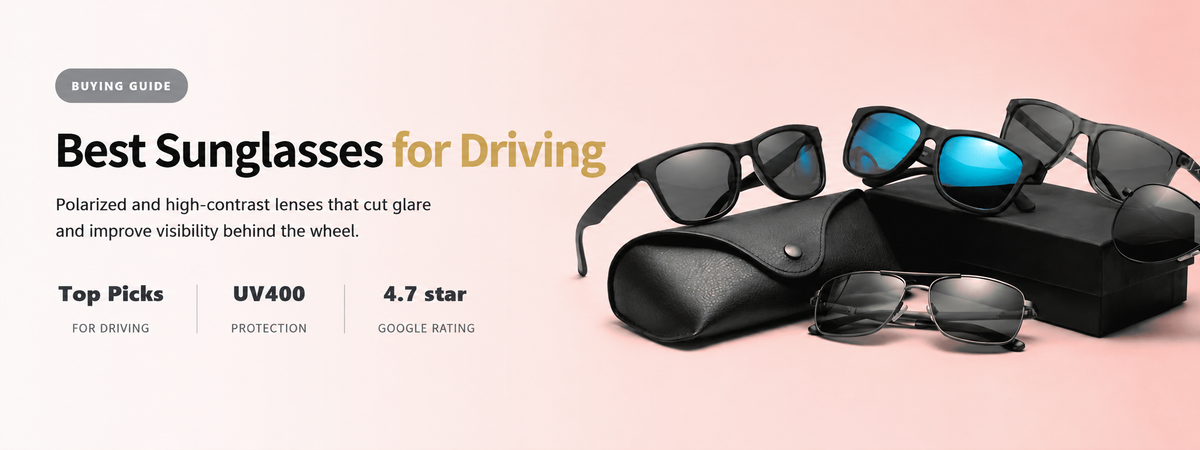

Not every pair of sunglasses is actually built for driving, and this page covers the specific styles from our range best suited to cutting glare and improving visibility behind the wheel. Aviator-shaped frames earn their place here for their wide, open lens shape, which provides better peripheral vision for checking mirrors and blind spots than smaller frames. Tea-toned and mirrored lens tints tend to boost contrast against asphalt and road markings better than neutral grey, a small but real difference for regular drivers. These picks are for daytime use specifically, for after-dark visibility you'll want our dedicated night driving glasses instead.
Our Top Picks for Driving
Aviator and polarized styles best suited for the road
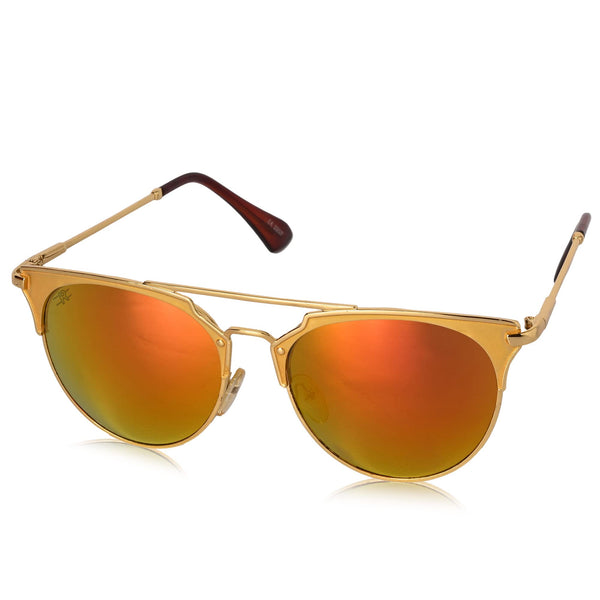
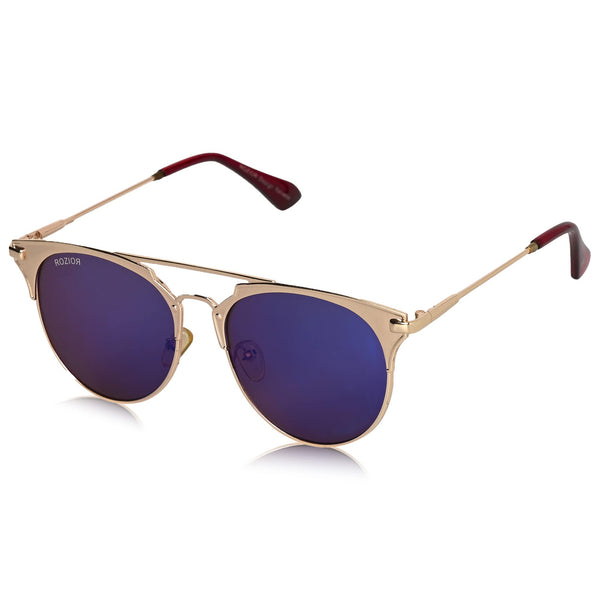
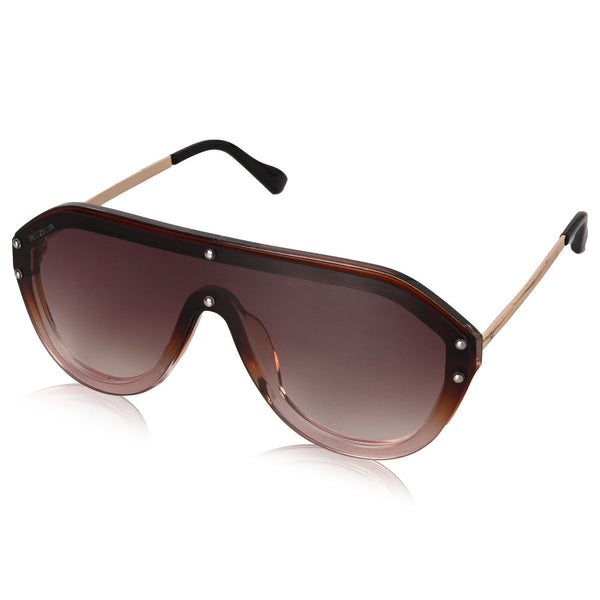
What Makes Sunglasses Good for Driving
Not every pair is built for the road
Polarized Lenses
Cuts glare from wet roads and other vehicles' windshields.
High-Contrast Tints
Brown and amber tints boost contrast for reading road signs and terrain.
Secure, Wide Frames
Aviator styles offer wide coverage without obstructing peripheral vision.
Why These Picks
Aviator Shape Wins for Driving
The wide, open lens shape of aviator sunglasses provides better peripheral vision than smaller frames, an important factor for checking mirrors and blind spots while driving.
Tea and Mirror Tints Boost Road Contrast
Tea-toned and mirrored lenses tend to boost contrast against asphalt and road markings better than neutral grey tints, making them a common choice for daytime driving specifically.
Choosing Driving Sunglasses
What to prioritize
Daytime vs Night Driving
These picks are for daytime driving. For after dark, you need a completely different lens, see our dedicated Night Driving Glasses instead.
Polarization Matters Most
If you drive regularly, prioritize polarized lenses over any other feature, they specifically cut the horizontal glare that comes off wet roads and windshields.
Frequently Asked Questions
Can I use these sunglasses for night driving too?
No, these are for daytime use only. See our dedicated night driving glasses for after-dark visibility.
Are aviator styles better than wraparound for driving?
Aviators offer excellent peripheral vision, which matters for checking mirrors, while still providing full UV coverage.
Do these come in polarized versions?
Check individual product pages for polarization details, as it varies by style.


